In the phase 2 EVITA trial, vitamin C did not slow clonal growth but was linked to fewer serious adverse events and longer exploratory survival.
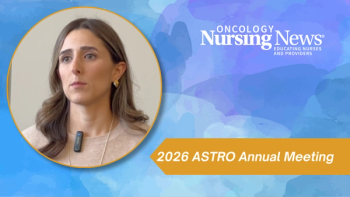
Molly Williams, DNP, AGACNP-BC, ACHPN, discusses gaps in oncology through a palliative care lens, focusing on symptom burden, fatigue, and essential support for caregivers.
Addressing the multifaceted symptom burden in oncology, particularly overlooked issues like fatigue, and providing robust decision support for caregivers are essential components of high-quality cancer care. According to Molly Williams, DNP, AGACNP-BC, ACHPN, these interventions go beyond treating physical pain to encompass the emotional distress of disease progression and the complex needs of families who may not yet be ready to process a difficult prognosis.
In an interview with Oncology Nursing News, Williams, an acute care nurse practitioner at Vanderbilt University Medical Center, Williams identified these areas as significant gaps where palliative care can provide necessary stability and clarity throughout a patient's disease trajectory.
She notes that while physical symptoms like nausea and shortness of breath are common, fatigue is an issue that profoundly affects quality of life but often goes unaddressed in busy clinical settings. Williams emphasized that palliative care teams are frequently called upon when scans show progression or treatments fail, providing a vital space to discuss goals, values, and upcoming medical decisions. By prioritizing caregiver support and prognostic understanding, oncology teams can ensure a more holistic approach to managing serious illness.
Symptom burden is usually the biggest need [in palliative care]. We often think about things like pain, but fatigue is a big one that is overlooked. It profoundly affects people’s quality of life, but it’s not always able to be addressed in a busy clinic oncology setting. Nausea and shortness of breath are some of the big symptom burden needs that we see.
Other times, prognostic understanding conversations are being had, but patients and their families are not in a place to be able to hear it. We talk a lot about goals and values related to patients’ disease trajectory, the emotional distress that comes with a serious illness in general, but especially if we have progression on scans or if a treatment is not working. We often get patients referred to us for that, caregiver support, and decision support. How to best support upcoming decisions and the caregivers that are there in those roles is often a big gap that we see patients for.
This transcript has been edited for clarity and conciseness.