




Breast Cancer
Latest News
Advertisement
Latest Videos


























































Advertisement
More News
Shifting focus to a patient profile of HER2+ metastatic breast cancer treated with trastuzumab emtansine, oncology nurse experts review risk of peripheral neuropathy and its management.
Closing out their conversation on the first patient profile, oncology nurse experts consider sequencing therapy following trastuzumab deruxtecan in both breast and GI cancers.

An observational study found no association between single-agent vaginal estrogen therapy or menopausal hormone therapy and increased risk of recurrence or mortality in patients with breast cancer.

In 17 years, the mortality rate for Black women with breast cancer has not changed.
Comprehensive insight to the selection and education of patients for whom ADC therapy is an option in breast or gastric cancers, with regard for pulmonary risk status.
Focused conversation on the occurrence of interstitial lung disease in patients on antibody drug conjugate therapy for breast or gastric cancers.

At the international congress on the Future of Breast Cancer West, Hope S. Rugo highlighted the predictive value of residual cancer burden scoring in ongoing research efforts to tailor triple-negative breast cancer treatments.

Aditya Bardia, MD, MPH, discusses ongoing research with oral SERDs, such as elacestrant, and highlights what these agents could represent for patients with estrogen receptor–positive breast cancer.

Hearing loss for cancer survivors is largely underreported, but once identified, is easily treatable, according to Christine Miaskowski, PhD, RN.

Elacestrant, an oral selective estrogen receptor degrader, will undergo evaluation by the FDA for patients with estrogen receptor–positive/HER2-negative advanced or metastatic breast cancer.
Contextualizing the use of T-DXd in breast cancer and gastric cancers respectively, panelists highlight optimal management of adverse events in these settings.
After reviewing the historical use of ADCs, panelists discuss the first patient profile of HER2+ metastatic breast cancer managed with trastuzumab deruxtecan.
The growing availability of biomarkers has led to the advent of more targeted therapies such as the antibody-drug conjugates (ADCs) fam-trastuzumab deruxtecan-nxki, ado-trastuzumab emtansine, and sacituzumab govitecan-hziy.

The FDA has approved the first targeted therapy for patients with HER2-low metastatic breast cancer.

Sarah Donahue, MPH, NP, AOCNP, explains the trial design of the pivotal DESTINY-Breast04 trial and discusses how the promising performance of trastuzumab deruxtecan might impact patients with unresectable or metastatic HER2-low breast cancer.

In early-stage cancers, ctDNA has a role in screening, neoadjuvant monitoring, identification of molecular residual disease (MRD), molecular relapse monitoring, and early assessment of treatment response.
Based on data from the DESTINY-Breast04 trial, the FDA has granted a priority review designation for the supplemental biologics license application for fam-trastuzumab deruxtecan-nxki.

Lidia Schapira, MD, FASCO, discusses the importance of rigorous baseline measurement in improving the assessment and management of distressful cancer symptoms.
In this episode of The Vitals, Lidia Schapira, MD, FASCO, recounts highlights from the 2022 ASCO Symptoms and Survivorship track and underscores key takeaways for practitioners seeking to enhance the delivery of cancer survivorship care.

Ribociclib was associated with significantly favorable symptom-related quality of life scores compared with abemaciclib among women with hormone receptor–positive, HER2-negative advanced breast cancer.
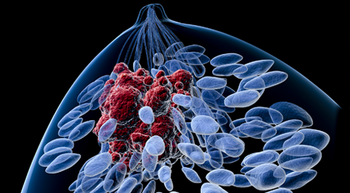
Patients with breast cancer who experience adjuvant hormone therapy (AHT)-related hot flashes and are treated for hot flashes at the beginning of therapy had worse outcomes than those who did not.
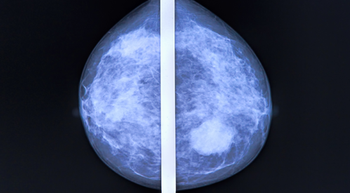
Facility characteristics at community-based breast imaging facilities may be linked to screening disparities across ethnic and racial groups.
The NCCN guidelines have been amended to include trastuzumab deruxtecan for use in patients with HER2-low metastatic breast cancer and sacituzumab govitecan for use in patients with triple-negative breast cancer or hormone receptor–positive, HER2-negative disease.

At the 2022 Supportive Care in Cancer Annual Meeting, Jeffrey Crawford, MD, highlighted the potential value of biosimilars in reducing gaps in care for the treatment of febrile neutropenia.

Approximately 140 in 100,000 pregnant women receive a cancer diagnosis. Of these diagnoses, 0.1% are considered malignant tumors.
Advertisement
Advertisement
Trending on Oncology Nursing News
1
Nursing Protocols for the New Oral RAS Inhibitor Daraxonrasib
2
FDA Approves Camizestrant for ESR1-Mutated Advanced Breast Cancer
3
Thoracic Oncology Advances and Toxicity Management
4
Managing Daraxonrasib: Key Takeaways and Efficacy Insights for Oncology Nurses
5