

A look at the current state of cancer, from survival rates to federal research budgets.
A look at the current state of cancer, from survival rates to federal research budgets.

Kelly Grosklags, LICSW, BCBS, FAAGC, FT, shares how to dealing with grief in oncology nursing, from treating patients in denial to showing emotion in front of them.

Dato-DXd has been given priority review for the treatment of patients with unresectable/metastatic triple-negative breast cancer.

Multicancer early detection tests may expand screening options, but does the benefit outweigh the uncertainties?

In a world of unfamiliarity and uncertainty, patient advocates help guide those with cancer through challenging diagnoses and the decisions that come with them.

Nurses are called to honor Alex Pretti’s memory through compassion and action.

The FDA approved a larger vial size of nelarabine for the treatment of pediatric and adult patients with T-ALL and T-LBL.

Updates in ovarian cancer include multiple fast track designations and breakthrough therapy status for new drugs in the clinical space.
The FDA approved subcutaneous daratumumab/VRd in patients with newly diagnosed multiple myeloma who are not eligible for ASCT. Here’s what you should know.
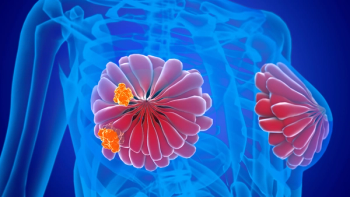
Plus, a phase 1 breast cancer vaccine, updated NCCN guidelines, and a combination with standard-of-care potential in triple-negative breast cancer.
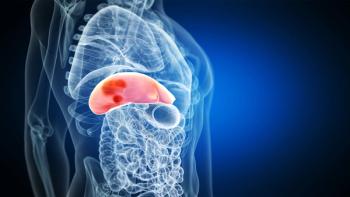
The frontline combination of nivolumab and ipilimumab demonstrated long-term safety and efficacy in patients with unresectable hepatocellular carcinoma.
Kelly Grosklags, LICSW, BCD, FAAGC, FT, shares insights for dealing with grief as an oncology clinician.

Chemoradiotherapy led to OS and RFS benefit in patients with high-risk chemoradiotherapy vs radiotherapy alone.

Findings from the phase 3 COMMIT study show that adding mFOLFOX6 and bevacizumab to atezolizumab significantly improves PFS in patients with dMMR/MSI-H mCRC.

A 5-day NYC nurses' strike raises concerns about staffing, patient safety, and the critical role of oncology nurses in cancer care.
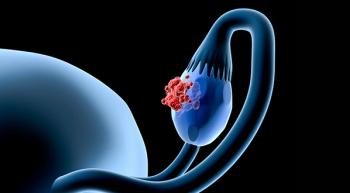
The FDA granted JSKN003 breakthrough therapy status for gynecologic cancers based on data from the phase 1 JSKN003-101 and phase 1/2 JSKN003-102 trials.

When patients with RCC progress on a TKI/IO combination, advanced practice providers use patient experience to inform treatment decisions.

Elizabeth Lee, MD, shares that rinatabart sesutecan’s mechanism of action may allow more patients with advanced endometrial cancer to receive effective treatment.

The frontline combination of encorafenib, cetuximab, and FOLFIRI yielded significant improvement vs SOC in BRAF V600E-mutated metastatic colorectal cancer.
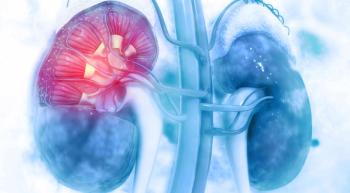
Margarita Huober, AGNP, AOCNP, explains that understanding a patient on an individual level leads to more informed care decisions in RCC.

Data link physical activity with reduced cancer-related fatigue in patients with colorectal cancer.

Transportation is a key accessibility issue for patients with HR-positive metastatic breast cancer receiving CDK4/6 inhibitors at community clinics.

Findings from a real-world, head-to-head comparison show greater colorectal cancer risk reduction and safety with the use of a GLP-1RA vs aspirin.

Median PFS over 1 year and median OS over 2 years have been observed for the first time in a phase 3 trial for gastroesophageal adenocarcinoma.

ECOG performance status of 1 was linked with worse patient-reported outcomes in patients with gastric or gastroesophageal junction adenocarcinoma.

Zolbetuximab plus mFOLFOX6 and nivolumab led to meaningful gains in patients with unresectable gastric/gastroesophageal junction adenocarcinoma.

Destiny-Breast09 PROs demonstrated higher quality of life and fewer gastrointestinal symptoms in patients with HER2-positive advanced breast cancer.

Clinicians of color can experience higher rates of vicarious trauma when treating patients with cancer.
Nursing ethics expert Katherine Brown-Saltzman, MA, RN, shares insights on how to manage difficult ethical issues when treating patients with cancer.

Expert advice for administering and monitoring liso-cel in patients with follicular lymphoma.