

Phase III ROSELLA data shows relacorilant plus nab-paclitaxel improves OS in platinum-resistant ovarian cancer with a manageable safety profile.
Phase III ROSELLA data shows relacorilant plus nab-paclitaxel improves OS in platinum-resistant ovarian cancer with a manageable safety profile.

HR20013 plus dexamethasone improves delayed emesis control and daily functioning for patients on moderately emetogenic chemotherapy in the phase 3 PROTECT trial.

ASCO 2026 data show GLP-1 RAs reduce HR+/HER2- breast cancer risk and improve overall survival in non-diabetic women with a BMI of 25-35 kg/m².

Oncology nurses play a vital role in managing cognitive and metabolic toxicities during long-term lorlatinib therapy for ALK+ NSCLC.

The FDA approved Cavhanza, a nilotinib ODT that allows co-administration with PPIs and H2RAs, easing dosing and administration for Ph+ CML patients.

New ASCENT-04 data shows sacituzumab govitecan plus pembrolizumab improves PFS in first-line PD-L1+ TNBC regardless of Trop-2, BRCA, or HER2 status.

ASCO 2026: Dr. Shubham Pant discusses managing the unique side effect profile of daraxonrasib, a new standard of care for metastatic pancreatic cancer.

ASCO 2026: The EMERALD-3 study shows adding STRIDE with or without lenvatinib to TACE significantly extends PFS for patients with unresectable HCC.

ASCO 2026: Adding ipatasertib to pembrolizumab improved ORR to 41% in first-line R/M HNSCC, significantly outperforming pembrolizumab monotherapy.

A large real-world analysis found that higher frailty scores were associated with increased odds of toxicities, hospitalization, and mortality in patients receiving ADC, BiTE, and CAR T-cell therapies.

A real-world study shows concurrent GLP-1 RA and ICI use may significantly improve long-term survival and lower toxicities for patients with cancer.

Dr. Emily Podany explains how oncology nurses can screen for food insecurity and provide evidence-based solutions to improve patient outcomes.

Dr. Paolo Tarantino highlights the need for drug-specific prophylaxis to manage toxicities like ILD and neutropenia in patients receiving ADCs.

Final KEYNOTE-522 analysis shows 85.1% 7-year OS in early TNBC. Dr. Javier Cortes details nursing management of immune-related side effects.

Jenn Pouliot, MSN, RN, OCN, discusses cross-departmental hazardous drug handling protocols, 2-clinician verification mandates, and the critical role of APPs in procedural oncology settings.

Dan Silver, PA-C, affirms patients with erectile dysfunction who’ve received prostate cancer treatment that it is possible to regain their erection.

Maurie Markman, MD, joins The Moonlight Shift to discuss precision medicine's real-world limits, oncology's cost crisis, CAR-T in solid tumors, and the decision support gap costing patients.

Julie Elliott, MS, PA-C, reviewed clinical trial data, compared efficacy across third-line regimens, and discussed how real-world outcomes align across third-line treatment options.
The FDA approved durvalumab plus BCG for high-risk NMIBC based on significant disease-free survival gains in the POTOMAC trial.

An updated post hoc analysis showed that imetelstat nearly doubled overall survival compared with best available therapy in patients with JAK inhibitor–relapsed or refractory myelofibrosis.
FDA approves pivekimab sunirine-pvzy for adults with BPDCN, offering a new CD123-directed therapy for this ultra-rare hematologic malignancy.
The phase 2 ARACOG study is the first head-to-head randomized comparison of cognitive effects between the 2 androgen receptor pathway inhibitors.
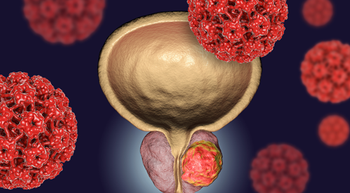
Learn how prostate cancer treatments affect erections—and the tailored rehab options, from Cialis to pumps and injections, that restore intimacy.
Studies to be presented at the 2026 ASCO Annual Meeting examine GLP-1 receptor agonists in relation to cancer progression, survival, and immune-related adverse events.

Psychoneurological symptoms in hematologic malignancies may worsen quality of life, treatment burden and survivorship outcomes.
FDA approves datopotamab deruxtecan-dlnk for first-line metastatic TNBC, improving PFS, OS and response rates vs chemotherapy.

ACCOMPANI aims to improve culturally responsive pediatric cancer care for African American families through nurse-led communication support.

Nursing leaders face rising burnout and turnover as four generations work side by side in today’s evolving health care workforce.

Retifanlimab plus chemotherapy improved survival and response rates in advanced anal cancer with manageable safety in phase 3 findings.

Oncology professionals can support cancer survivors after treatment through prevention-focused follow-up, education and survivorship care.