

Findings from the POSITIVE trial suggest that pausing endocrine therapy to pursue pregnancy did not negatively affect outcomes for patients with breast cancer.
Findings from the POSITIVE trial suggest that pausing endocrine therapy to pursue pregnancy did not negatively affect outcomes for patients with breast cancer.

A landmark 4-year analysis of invasive-disease free survival outcomes from the phase 3 monarchE study support the use of adjuvant abemaciclib with endocrine therapy for patients with hormone receptor–positive, HER2-negative, node-positive early breast cancer.

Trastuzumab deruxtecan both significantly improved overall survival and yielded progression-free survival that was 4 times greater than trastuzumab emtansine in patients with HER2-positive metastatic breast cancer.
New findings suggest that neoadjuvant therapy with antibody-drug conjugates may be effective for patients with early-stage breast cancer.

Psychiatric distress and existential distress are associated with poor outcomes in patients with advanced cancers and treatment options such as psychotherapy have demonstrated limited effectiveness.

During the 40th Annual Chemotherapy Foundation Symposium, Jeffrey S. Weber, MD, PhD, discussesed best sequencing practices in metastatic melanoma.

Manmeet Ahulwalia, MD, MBA, underscores how novel treatment approaches in oncology are proving effective in managing brain metastases.

During the 40th Annual Chemotherapy Foundation Symposium, Sandra Kurtin, PhD, ANP-BC, FAPO, discussed improving health literacy in oncology care.

Daniel J. Verina, DNP, RN, MSN, ACNP-BC, underscores how nurses can assess neurological toxicities in both the inpatient and outpatient setting.

Immunotherapy has changed the face of cancer treatment, but requires appropriate irAE management to reach full potential.

The rate of severe radiation dermatitis was reduced with the use of Mepital Film in patients with breast cancer undergoing mastectomy.

A presentation at the 2022 ESMO Congress found that xevinapant plus chemoradiotherapy decreased the risk of death by twice that of placebo for patients with unresectable, locally advanced head and neck squamous cell carcinoma.

Linda Laskowski-Jones, MS, APRN, ACNS-BC, CEN, NEA-BC, FAAN, discusses how oncology nurse leaders can help improve working environments for their staff.

At the 2022 ASCO Quality Care Symposium, researchers discussed how Medicaid expansion was tied to earlier diagnoses, more accessible palliative care, and decreased mortality rates for patients with cancer.

Tivozanib, an oral VEGF inhibitor, improved overall survival in patients with relapsed or refractory, advanced renal cell carcinoma.
At the 2022 ASCO Quality Care Symposium, an adverse event analysis showed that abemaciclib has a manageable safety profile and that dose reductions may be a key aspect of appropriate symptom management.

Neratinib was associated with a clinical benefit rate of 45.5% among patients with metastatic or recurrent HER2-mutated cervical cancer.

In this episode of "The Vitals," Milagros Elia, MA, APRN, ANP-BC, highlights how oncology nurses play a role in ongoing conversations regarding the intersection of climate change and public health.

Mary Anderson, BSN, RN, OCN; and Christina Bach, MBE, MSW, LCSW, OSW-C, FAOSW, discuss approaches to help patients navigate financial toxicity and insurance coverage in the age of oral anticancer drugs.

Neoadjuvant cemiplimab elicited promising pathologic complete responses in patients with cutaneous squamous cell carcinoma.

Milagros Elia, MA, APRN, ANP-BC, discusses ways that nurses can advocate for their patients and help them manage health-related symptoms in the context of changing local environments.
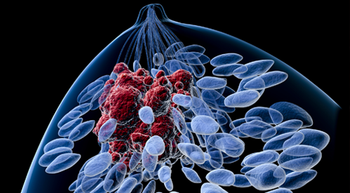
For patients receiving an aromatase inhibitor for hormone receptor–positive, HER2-negative breast cancer, the addition of abemaciclib doubled median progression-free survival vs placebo.

Sotorasib doubled the progression-free survival rate in patients with KRAS G12C–mutated non–small cell lung cancer.

Julie Malo, CCRP, a research nurse with the University of Montreal, discusses a nurse-directed initiative examining how the gut microbiome affects immune checkpoint blockade responses in patients with non–small cell lung cancer.

Patients with hepatocellular carcinoma achieved a median overall survival of 15.9 months with tislelizumab and 14.1 months with sorafenib.

In a real-world analysis of patients with hepatocellular carcinoma, the median overall survival with lenvatinib was 9.7 months in the low-dose group and 7.6 months in the recommended-dose group.

In a presentation at the 2022 Oncology Nursing Society Bridge, Stephany L. Rodriguez, RN, MS, NP, discussed the later effects associated with hematopoietic stem cell transplant and how to manage them.

Kristin Daly, MSN, ANP-BC, AOCNP, discusses the clinical significance of tumor variants and how they are changing the direction of cancer care.

At a median follow-up of 33.0 months, the median progression-free survival with tumor-infiltrating lymphocyte therapy was 7.2 months vs 3.1 months with ipilimumab.

Results of retrospective analysis of previously treated patients with metastatic renal cell carcinoma who received nivolumab in the second- and third-line showed that health-related quality of life was maintained in the real-world setting