

The ideal model for promoting effective shared decision-making involves tailored caregiver education, adequate time before treatment, and use of multidisciplinary support.
The ideal model for promoting effective shared decision-making involves tailored caregiver education, adequate time before treatment, and use of multidisciplinary support.

Brexucabtagene autoleucel, a CAR T-cell therapy approved in 2021 for relapsed or refractory B-cell acute lymphoblastic leukemia, showed efficacious results and promising safety data at 2-year follow-up.
Gretchen McNally PhD, ANP-BC, AOCN, spotlights the value that naloxone training for oncology nurses and providers could have for patients who are at a high-risk of overdose.

Arndt Vogel, MD, PhD, discusses a post-hoc analysis of the phase 3 HIMALAYA trial which found tremelimumab plus durvalumab to be superior to sorafenib in improving overall survival.
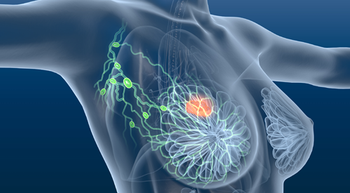
Ribociclib was associated with significantly favorable symptom-related quality of life scores compared with abemaciclib among women with hormone receptor–positive, HER2-negative advanced breast cancer.

Patients receiving bevacizumab plus olaparib to treat newly diagnosed ovarian cancer experienced significantly longer time without signs of toxicity compared with placebo.

Nivolumab, whether in combination with ipilimumab or as a monotherapy, was associated with improved overall survival, progression-free survival, and melanoma-specific survival, compared with ipilimumab in advanced melanoma.

An expert of gastrointestinal oncology with the Henry Ford Cancer Institute discusses the developing presence of targeted treatments in the pancreatic cancer treatment paradigm.
Ilene Galinsky, BSN, MSN, ANP-C, underscores effective symptom management strategies when prescribing venetoclax to patients with acute myeloid leukemia.

Dexamethasone sparing in cisplatin-based chemotherapy did not impair global health status, although it did worsen nausea and appetite loss.

Laura J. Zitella, MS, RN, ACNP-BC, AOCN, presents a case study of a patient receiving chemotherapy for osteosarcoma who begins experiencing shortness of breath.

Nurse navigators may play a key role in mitigating toxicities from chemotherapy and perform geriatric assessments for patients treated at hematology/oncology clinics.

Ilene Galinsky, BSN, MSN, ANP-C, discusses the evolution of targeted therapy in acute myeloid leukemia treatment, and how venetoclax plays into the treatment paradigm.
Investigators have identified that zanubrutinib may improve the subpar health-related quality of life for patients with treatment-naïve chronic lymphocytic leukemia or small lymphocytic lymphoma.

Darcy Burbage, DNP, RN, AOCN, CBCN, discusses the top takeaways from the 2022 ASCO Annual Meeting for oncology nurses.
An updated safety and efficacy analysis of the ongoing CLL14 trial showed that venetoclax plus obinutuzumab continues to be an effective treatment for patients with chronic lymphocytic leukemia and coexisting conditions.
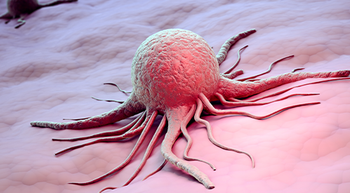
Data from the CheckMate 648 trial informed the FDA’s recent approval of 2 nivolumab combinations for esophageal squamous cell carcinoma. A 1-year follow-up analysis highlighted key safety and time-to-event data surrounding immune-related toxicities.

Mandible reconstruction and maxilla reconstruction surgeries might be optimized with virtual surgical planning, according to an expert speaker at the 2022 Supportive Care in Cancer Annual Meeting.

We rounded up 5 stories from the 2022 ASCO Annual Meeting that are of most value to oncology nurses.

Results of a single-center study presented at the 2022 ASCO Annual Meeting showed that oral minoxidil may be effective in treating late alopecia. Moving forward, these efforts in survivorship care will need to be expanded to less resourced areas, experts said.
At the 2022 Supportive Care in Cancer Annual Meeting, Jeffrey Crawford, MD, highlighted the potential value of biosimilars in reducing gaps in care for the treatment of febrile neutropenia.

Data from the phase 1/2 EPCORE NHL-2 trial suggest that the combination of epcoritamab and R-CHOP is both effective and manageable in treating patients with high-risk diffuse large B-cell lymphoma.
Updated data from the phase 3 BELIEVE trial revealed a sustained reduction in the need for red blood cell transfusions among patients with β-thalassemia who received treatment with luspatercept-aamt.

This year’s congress showcased strategies for communicating sensitive topics, patient experiences with immunotherapy treatments, updates in the utility of medical cannabis, and more.
Laura J. Zitella, MS, RN, ACNP-BC, AOCN, recounts key nursing considerations with targeted therapy for chronic lymphocytic leukemia, and third-line diffuse large b-cell lymphoma options.

This year’s conference highlighted advances in natural killer cells, CD39 and KRAS G12C inhibitors, and CAR T-cell therapies.
Heavily pretreated pediatric and young adult patients with relapsed or refractory B-cell acute lymphoblastic leukemia maintained response with tisagenlecelucel according to long-term follow-up data from the phase 2 ELIANA trial.

The intracranial objective response rate was 32% among patients with KRAS G12C–mutant, non–small cell lung cancer who received adagrasib.
Phase 2 findings found that patients with chemotherapy-induced anemia experienced increases in hemoglobin following treatment with roxadustat.
Aliènne Salleroli, MS, BSN, RN, OCN, underscores the importance of open dialogue surrounding diversity, equity, and inclusion in oncology leadership.