

Opinion|Videos|October 9, 2026
Multidisciplinary Support for Patients with Metastatic Triple-Negative Breast Cancer
NP Theresa Stukus and NP Nelli Zafman discuss the practical challenges patients with metastatic triple-negative breast cancer (mTNBC) may encounter during prolonged antibody-drug conjugate (ADC) therapy and the critical role of the multidisciplinary care team in supporting long-term treatment success.
Advertisement
Episodes in this series
This video was supported by Gilead Sciences, Inc., but editorially independently created by the Oncology Nursing News team.
NP Theresa Stukus and NP Nelli Zafman discuss the practical challenges patients with metastatic triple-negative breast cancer (mTNBC) may encounter during prolonged antibody-drug conjugate (ADC) therapy and the critical role of the multidisciplinary care team in supporting long-term treatment success. The faculty highlight common barriers to adherence, including cumulative treatment-related toxicities, work and family responsibilities, caregiver fatigue, transportation challenges, and coordinating specialty appointments such as ophthalmology evaluations. They emphasize that ongoing symptom assessment, timely dose modifications, and proactive supportive care are essential to maintaining quality of life and treatment adherence. The discussion also explores how close collaboration among oncology nurse practitioners, physicians, infusion nurses, pharmacists, social workers, and other healthcare professionals enhances toxicity management, patient education, medication safety, and access to supportive resources. Throughout the conversation, NP Stukus and NP Zafman reinforce that effective communication across the multidisciplinary team is fundamental to delivering comprehensive, patient-centered care and optimizing outcomes for patients with metastatic triple-negative breast cancer.
Advertisement
Related to this article
In observation of National PA Week, Moffitt PA Mark Honor discusses the expansion of APPs and key collaboration strategies for oncology nurses.
Beth Faiman details the new IMS/IMWG consensus definition of cure for multiple myeloma, requiring 5 years of treatment-free remission.
Oncology clinicians gathered to review relapsed CLL care options, CAR T-cell trial updates, and advanced practice provider roles.
At ASTRO 2026, Suresh Rana details how AI-driven contouring accelerates care timelines, requiring rigorous team monitoring and early nursing input.
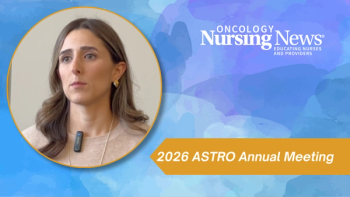
At ASTRO 2026, Dr. Erica Braschi Jordan details toxicity tracking, physical therapy referral, and quality of life in proton regional nodal irradiation.

At ASTRO 2026, Dr. Mishaal Munir details how nurse-led triage workflows and prompt symptom escalations improve care for breast cancer brain metastases.
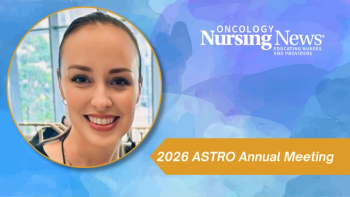
ASTRO 2026 presenter Kayla Kafka-Peterson details an Adapt-Adopt-Build model to bridge global brachytherapy nursing gaps and standardize perioperative care.
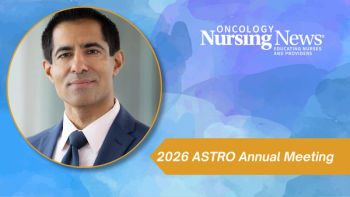
At ASTRO 2026, Dr. Nitin Ohri details additive versus synergistic toxicities when combining radiation with novel systemic therapies in clinical trials.
Advertisement
Advertisement
Trending on Oncology Nursing News
1
FDA Approves Atezolizumab Plus Chemo for Stage 3 dMMR Colon Cancer
2
FDA Approves Maintenance Tucatinib for Advanced HER2+ Breast Cancer
3
Daily Symptom Shifts Linked to Quality of Life in Metastatic Breast Cancer
4
Surveillance, Patient Resources, and Financial Support
5