

Phase 2 findings show clinical responses and improved survival with evorpacept in patients with HER2-positive gastric/gastroesophageal cancer.
Phase 2 findings show clinical responses and improved survival with evorpacept in patients with HER2-positive gastric/gastroesophageal cancer.

While ctDNA positivity was linked to worse overall disease-free survival (DFS) in stage III resected colon cancer, it was associated with significantly improved DFS with celecoxib compared to placebo.

The phase 2 FDZL-001 trial showed high overall survival and progression-free survival rates with camrelizumab plus Nab-POF in patients with gastric/GEJ cancer.

The EA2186 trial was the first study specifically designed to test chemotherapy in older adults with advanced pancreatic cancer who were considered vulnerable.

Analysis of the NAPOLI 3 trial showed that lower doses of liposomal irinotecan or oxaliplatin did not reduce survival in patients with pancreatic ductal adenocarcinoma.

Susumu Hijioka, MD, discussed how a lower dose of everolimus may help address certain adverse events like oral mucositis and hypoglycemia.

The 2-year benefit of bevacizumab in colorectal cancer may explain why survival benefits are seen in studies with two-year, but not longer, follow-ups.

First-line nivolumab plus ipilimumab was shown to be effective and well-tolerated in patients with unresectable hepatocellular carcinoma in the CheckMate 9DW study.

Aspirin reduced disease recurrence in patients with PI3K-mutated colorectal cancer, underscoring the value of early genomic testing.

Cabozantinib prolonged PFS compared to placebo for patients with extrapancreatic NETs starting in the GI tract in a subgroup analysis of the CABINET trial.

Preoperative sintilimab with chemoradiotherapy boosted pathological complete response rates in patients with resectable, locally advanced esophageal squamous cell carcinoma.

Findings from this survey also demonstrated that 23% of providers were comfortable with interpreting biomarker testing results for treatment decision-making.

The phase 3 RATIONALE-306 study found no significant difference in overall survival benefits from tislelizumab plus chemotherapy between early and late responders with ESCC.
Five-year data shows lasting benefit for patients with advanced gastroesophageal cancers treated with nivolumab and chemotherapy.

SHR-1701 plus CAPOX chemotherapy reduced treatment delays and dose reductions compared with placebo plus CAPOX in HER2-negative gastric/GEJ cancer.
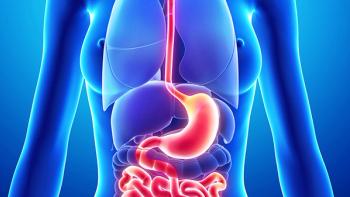
Nivolumab plus chemotherapy improved long-term survival in Chinese patients with advanced gastric, GEJ, or esophageal cancer.
Everolimus plus lanreotide resulted in a progression-free survival of 29.7 months in patients with gastroenteropancreatic neuroendocrine tumors, compared with 11.5 months with everolimus monotherapy.

Adding E-602 to cemiplimab demonstrated anti-tumor effects in patients PD-L1–resistant solid cancers.

Mitazalimab combined with mFOLFIRINOX led to responses and survival benefits in patients with metastatic pancreatic ductal adenocarcinoma.

The novel drug SHR-A1921 was safe and efficacious in patients with platinum-resistant ovarian cancer, according to phase 1 data.

Docetaxel was associated with lower rates of peripheral neuropathy compared with paclitaxel for Black patients with breast cancer.

NT-17, a long-acting IL-7 agent, enhances CAR T-cell factors associated with efficacy in patients with relapsed/refractory DLBCL when administered 21 days post-CAR T infusion.
Oncology nurses should inform patients about adverse events and the signs of interstitial lung disease before treating their breast cancer with T-DXd.
Distant relapse-free survival was maintained with non-operative management of pMMR locally advanced rectal cancer.

Belrestotug plus dostarlimab-gxly improved ORR in patients with previously untreated, unresectable, locally advanced or metastatic, PD-L1–high NSCLC.

Patients with metastatic castration-resistant prostate cancer who received radium-223 prior to docetaxel had better quality of life and tolerability scores than those who received docetaxel first.

Adagrasib outperformed docetaxel in patients with KRAS G12C-mutated non–small cell lung cancer, regardless of baseline brain metastases.

Earlier switch to atezolizumab after run-in with vemurafenib plus cobimetinib showed promise in improving OS rates in BRAF V600–positive melanoma.
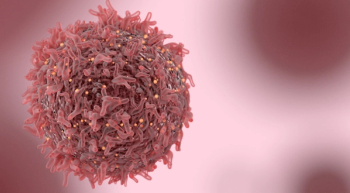
Guiding treatment via response predictive subtype could be beneficial for identifying patients with high-risk breast cancer who may respond to Dato-DXd plus durvalumab.

Pembrolizumab led to improved survival over ipilimumab in patients with unresectable advanced melanoma, according to long-term data.