

Tarlatamab prolonged both overall and progression-free survival in the treatment of small cell lung cancer, backing it as a second-line standard of care.
Tarlatamab prolonged both overall and progression-free survival in the treatment of small cell lung cancer, backing it as a second-line standard of care.

The combination of trastuzumab deruxtecan with pertuzumab shows promise as a standard of care for HER2-positive advanced breast cancer.

COCOON skin care led to fewer or milder dermatologic symptoms with amivantamab/lazertinib vs standard care in patients with EGFR+ advanced NSCLC.

Toxicities related to Teliso-V are manageable for patients with c-Met overexpressing non-small cell lung cancer, according to Jonathan Goldman, MD.

Treatment with imlunestrant was especially impactful to quality of life and global health status for patients with ESR1 mutations.

The combination of niraparib with abiraterone acetate and prednisone (AAP) boosted rPFS vs AAP plus placebo in HRR-mutated mCSPC.

Seventy-three percent of patients with breast and other solid tumors did not experience ILD recurrence when rechallenged with trastuzumab.

Patients with stage III and high-risk stage II colon cancer who participated in an exercise program saw improved disease-free and overall survival.

Adding durvalumab to perioperative FLOT upped event-free survival in patients with gastric or gastroesophageal adenocarcinoma eligible for resection.

Camizestrant plus CDK4/6 inhibition improved PFS vs standard care in patients with ER+/HER2– advanced breast cancer and emergent ESR1 mutations.

NIVOPOSTOP trial data demonstrate a reduction in the risk of recurrence or death with adjuvant nivolumab combined with cisplatin/radiotherapy in LA-SCCHN.

Atezolizumab plus chemotherapy reduced risk of death or recurrence by 50% compared with chemotherapy alone for patients with stage III dMMR colon cancer.

Patients with stage III resected colon cancer had lower risk of death with less inflammatory diets and more regular physical activity.

Sacituzumab govitecan/pembrolizumab in the first line lengthened PFS vs chemotherapy/pembrolizumab in PD-L1+ metastatic triple-negative breast cancer.
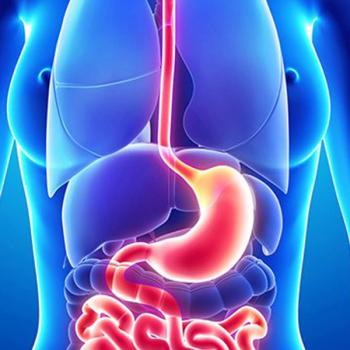
T-DXd led to improvements in OS, PFS, ORR, and DOR compared with ramucirumab/paclitaxel in the second line for HER2-positive gastric and GEJ cancer.

Patients with ESR1-mutated, ER-positive, HER2-negative, advanced breast cancer experienced an increase in PFS with vepdegestrant compared with fulvestrant.

Encorafenib and cetuximab plus mFOLFOX6 increased progression-free survival for patients with metastatic colorectal cancer harboring BRAF V600E mutations.

Gene expression in peripheral blood as well as patient-reported outcomes differed for those with acute myeloid leukemia undergoing induction chemotherapy.

Using tools like the ICE Score could improve consistency in grading neurotoxicity tied to bispecific antibodies in hematologic cancers.

Daratumumab showed a decrease in disease progression or death risk vs active monitoring in patients with high-risk smoldering multiple myeloma.

Emetogenic chemotherapy regimens and back pain were associated with higher symptom burden in older, vs younger, patients with cancer.

Data from the CEPHEUS trial support the use of D-VRd in patients with transplant-ineligible or -deferred multiple myeloma who can tolerate bortezomib.
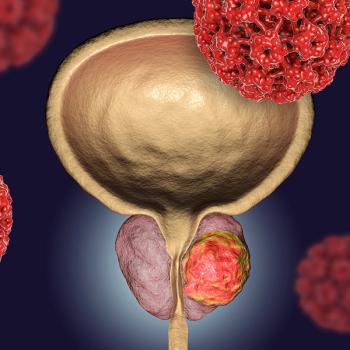
Apalutamide decreased risk of death in mCSPC by 23% and 26% compared with enzalutamide and abiraterone acetate, respectively.


The PRECURSOR intervention appeared feasible/acceptable, suggesting a need for patient-centered conversation in incurable gynecologic cancer treatment.

The intersection of cardiology and oncology is greater than nurses and providers may assume, explained 2 experts.

Sessions addressing supportive care needs for patients with cancer on early phase clinical trials appeared feasible and acceptable in a prospective study.
Assessment of psychological needs and offering tailored interventions immediately after BCS helps patients with breast cancer in the outpatient setting.