

Patients with newly diagnosed incurable lung and GI cancer saw benefits from early palliative care services.
Patients with newly diagnosed incurable lung and GI cancer saw benefits from early palliative care services.

Coping with the aftermath of cancer and cancer treatment can be especially difficult for survivors of head and neck cancer, according to Ann Marie Flores, PT, PhD, CLT.

Researchers at the Dana-Farber Cancer Institute are testing a psychoeducational intervention that they hope will offer relief for sexual problems after treatment.

As the number of older cancer survivors continues to grow, health researchers are looking for ways to combine healthy aging with healthy survivorship. It turns out that a relatively simple solution may be found in a survivor’s own backyard.

Short-term group acupuncture is valuable and cost-effective for patients with breast cancer, though it may not be the first form of therapy that comes to mind when trying to manage cancer pain.
While it is known that overweight and obese survivors of breast cancer experience poorer outcomes, gaps remain with regard to risk perception and communication between survivors and health care providers.
Carol Blecher, MS, RN, AOCN, Trinitas Comprehensive Cancer Center, discusses using exercise not only as rehabilitation for patients with cancer, but also “prehabilitation”.
Donna Clark, RN, Mitchell Cancer Institute, discusses what it was like to be a patient with endometrial cancer after more than two decades of being an oncology nurse.
Monica Fradkin, RN, MPH, Smilow Cancer Hospital at Yale-New Haven, discusses improving communication between clinical staff and research staff for patients who are approved for clinical trials.

Cathy Belt, RN, MSN, AOCN, Abramson Cancer Center of the University of Pennsylvania, discusses nurses’ role in detecting inherited cancer syndromes.
Erin Noel, BSN, RN, OCN, Baylor Scott & White McClinton Cancer Center, discusses implementation of the “blue dot” system to prevent incorrect coding in patients’ electronic medical record.
Carmela Hoefling, RN, MSN, APN-C, AOCNP, Rutgers Cancer Institue of New Jersey, discusses what oncology nurses can do to identify and treat patients who may be malnourished.

Amita Patel, NPC, Regional Cancer Care Associates, Central Jersey Division, talks about benefits of a multidisciplinary care team and some issues that providers should be aware of when treating patients undergoing chemotherapy.
Carmela Hardy, RN, Regional Cancer Care Associates, Central Jersey Division, talks about how a telephone triage system helps ease patient anxiety in an outpatient chemotherapy setting.

Timothy Clyne, RN, Trinitas Regional Medical Center, discusses the COMFORT curriculum and end-of-life conversations.
Amy E. Moore, MSN, BSN, University of Pennsylvania School of Nursing, discusses pain management in adult patients with cancer who are having bone marrow aspiration and biopsy.
In an effort to help ensure that patients are taking their oral anticancer medications and refilling their prescriptions, a team of four nurses and a physician from NYU Langone’s Laura & Isaac Perlmutter Cancer Center integrated a novel tracking workflow documentation system into the electronic health record.

Patients with cancer who are undergoing chemotherapy infusion are likely feeling uncomfortable, stressed, and anxious, but a brief session of hand massage may be a relatively simple way to put them more at ease.

Sheila Hunt, RN, Baylor Scott and White McClinton Cancer Center, discusses how she reduces her patients’ anxiety by writing out treatment plans on a whiteboard.

With genetic profiles and genomic targeting increasingly impacting treatment decisions, patients and families would welcome a one-stop place where they can find resources to help unravel all this complex information.
The possibility that hospitalized cancer patients will fall is an ongoing concern among the medical professionals who care for them.

Developing a skin rash as a result of EGFR-inhibitor targeted therapy often signals that the drug is working, but for patients who experience these serious dermatologic adverse events, it may become so intolerable that they will scale back or even discontinue anticancer medications that could prolong their survival.

With the growing use of oral therapies in cancer care, it is crucial that oncology nurses are using a systematic approach to assess and improve adherence, according to Whitney Perry, APRN, AOCNP.
Darcy Burbage, RN, MSN, AOCN, CBCN, Helen F. Graham Cancer Center & Research Institute, discusses the role nurses play in treating patients with chemotherapy-induced peripheral neuropathy (CIPN).
Dennise Geiger, RN, Regional Cancer Care Associates, Central Jersey Division, discusses difficulties nurses face when using telephone triage, and the plan that was developed to better streamline the process.
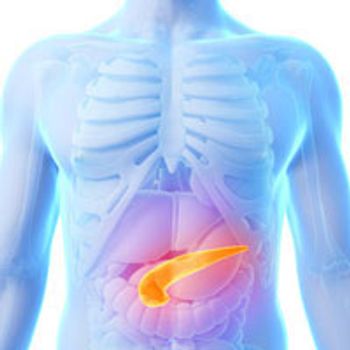
Portal vein thrombosis (PVT) is a dangerous and often overlooked side effect of certain gastrointestinal malignancies such as liver and pancreatic cancer, that oncology nurses need to be more proactive in managing.
West Cancer Center researchers developed a best nursing practice protocol for titration of fentanyl sublingual spray, which is the most recently approved transmucosal immediate-release fentanyl formulation.

When chemotherapy involves tricky infusion timing, patients are routinely admitted to hospitals to receive their treatments. But what would happen if these drugs could be administered successfully on an outpatient basis?

Kathryn Ciccolini, RN, BSN, OCN, DNC, Memorial Sloan Kettering Cancer Center, discusses the concept she developed to manage dermatologic adverse events for patients with cancer.
Joel Stettler, BSN, RN, OCN, Moffitt Cancer Center, discusses procedures implemented at his institution for patients who are at risk for falls.