
Carmela Hoefling, RN, MSN, APN-C, AOCNP, advanced practice nurse, Gastrointestinal/Hepatobiliary Oncology Program, Rutgers Cancer Institute of New Jersey, discusses the effects that malnourishment can have on surgery.
Carmela Hoefling, RN, MSN, APN-C, AOCNP, advanced practice nurse, Gastrointestinal/Hepatobiliary Oncology Program, Rutgers Cancer Institute of New Jersey, discusses the effects that malnourishment can have on surgery.

Lots of people take their work home with them, but Lynne Malestic, RN, has given the idea new meaning.
Cancer doesn’t discriminate, but that doesn’t mean the healthcare system won’t. This proves to be even more true for the lesbian, gay, bisexual and transgender community.
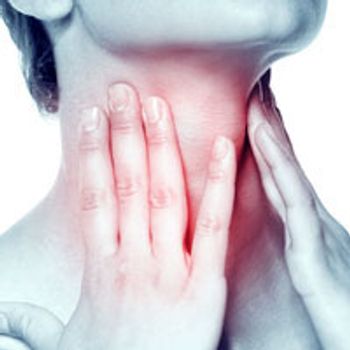
A multidisciplinary team led by oncology nurses can reduce both hospitalization and treatment breaks for patients with head and neck cancer.

When oncology nurses move proactively to learn more about and use proven effective “green-lighted” interventions like exercise and muscle relaxation in their daily practice, it can go a long way in helping patients and their caregivers manage symptoms associated with a cancer diagnosis like fatigue and anxiety.
Jeannine Brant, PhD, Billings Clinic, discusses the benefits of patient-reported outcomes in cancer care.
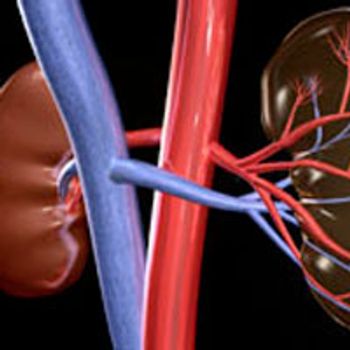
Researchers at the Rutgers Cancer Institute of New Jersey are testing the possibility of sending treatment drugs directly to the kidney in patients with upper urinary tract urothelial carcinoma in situ or small tumors in the kidney area.
Ellyn Matthews, PhD, RN, AOCNS, CBSM, who holds the Elizabeth Stanley Cooper Endowed Chair in Oncology Nursing at the University of Arkansas for Medical Sciences, addresses common misconceptions that patients with cancer have about sleep disturbances.

A team of editors from Oncology Nursing News and CURE magazine will be in San Antonio at the 41st Annual ONS Congress covering sessions and interviewing nurses about their research of interest to oncology professionals and to the patients and survivors they tweet.
Previous studies have linked radiation to the pancreas during childhood to an increased risk of type 1 or 2 diabetes, and in a recent small study, researchers investigated the mechanisms leading to abnormal glucose and insulin dynamics in survivors of childhood cancers.
At the inaugural 2016 Cancer Survivorship Symposium in San Francisco, Smita Bhatia delivered a lecture titled
Mounting research continues to show increased risk of cancer recurrence and death in obese individuals, but findings of a new study highlight the benefits of weight-loss interventions for overweight and obese cancer survivors.
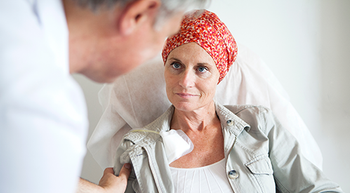
While patients and survivors often complain of chemobrain during and after their cancer treatment, it turns out that there are multiple factors behind the cognitive decline many survivors experience.

For cancer survivors, the fear of missing an early sign of recurrence or a second cancer is an everyday reality, making follow-up monitoring

New research shows that survivors of testicular cancer may have an increased burden of morbidity after being treated with cisplatin-based chemotherapy, with obesity, neuropathies, and tinnitus and hearing loss among the most prevalent late effects.
Despite national evidence- and consensus-based guidelines on posttreatment care, less than half of adolescents and young adults (AYAs) with Hodgkin lymphoma receive all of the recommended services within the first year after treatment, according to results of a pilot study being presented at the 2016 Cancer Survivorship Symposium.

Nearly half of all women report symptoms of chemotherapy-induced peripheral neuropathy (CIPN) long after their cancer treatment has ended, and those with the condition have a significantly higher risk of falls, altered walking patterns, and other difficulties in physical functioning, a new study has found.
New research has found that low-income breast cancer survivors are more likely to adhere to recommended survivorship care if they receive counseling along with a treatment summary and survivorship care plan (TSSP).

With today's approximately 14.5 million cancer survivors-a number projected to reach nearly 18 million in 2024-new survivorship models of care are needed.

A navigator-designed, proactive, weekly, telephone support call to help patients with blood cancers manage their symptoms between appointments was able to significantly reduce unplanned hospitalizations at a Colorado cancer center.
A nurse navigator–led program aimed at improving awareness, access, and uptake of low-dose CT screening for individuals at high risk of lung cancer resulted in improved screening rates with the potential to improve patient outcomes by catching the disease at its earliest stages.

With cancer treatment being delivered more in an outpatient setting, the burden of home healthcare has shifted more to family caregivers.
Oncology nurse navigators are known for identifying gaps in cancer care, being proactive in setting goals to address them, and designing specific interventions that lead not only to better-and measurable-outcomes but also to increased patient satisfaction.
Imagine a woman with a weight problem who, two weeks after chemotherapy, goes to her doctor with a urinary tract infection and a rash on her upper chest.

Sandra Spoelstra, PhD, RN, Assistant Professor, College of Nursing, Michigan State University, explains some of the reasons why cancer patients don't adhere to their oral medications.
Beth Calmes, MSN, RN, oncology unit, Santa Barbara Cottage Hospital, explains what honor bathing is and how it impacts the family members of the recently deceased patient.
Marianne Davies, RN, MSN, ACNP, AOCN, Smilow Cancer Hospital, Yale School of Nursing, discusses how to determine which patients are eligible for immunotherapy.

The concerns a family might have when a loved one develops squamous cell carcinoma of the oral cavity might seem obvious: fear that the patient will have a shorter life due to advanced disease, empathy for her pain, and a feeling of isolation in facing a rare presentation of cancer.
Kathy Wilkinson, RN, BSN, OCN, Manager, Cancer Research, Billings Clinic Cancer Center, discusses the role that nurse's play in clinical trials.

Do social media platforms like Twitter, LinkedIn, and Facebook represent an opportunity for oncology nurses to network and keep up with the latest in evidence-based practice, or are they a time-sucking nuisance, and even worse, a possible professional landmine?