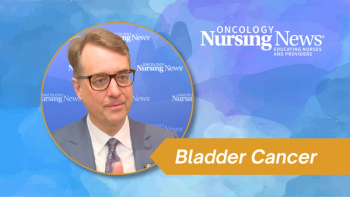
Thomas W. Flaig, MD, discusses the 2026 NCCN Guidelines updates for bladder cancer, highlighting the role of enfortumab vedotin, pembrolizumab, and the shift toward neoadjuvant ADC therapy.
Thomas W. Flaig, MD, discusses the 2026 NCCN Guidelines updates for bladder cancer, highlighting the role of enfortumab vedotin, pembrolizumab, and the shift toward neoadjuvant ADC therapy.
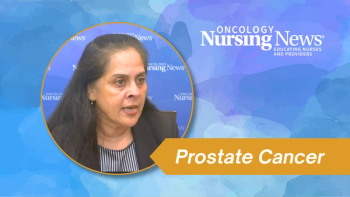
Sandy Srinivas, MD, of Stanford Cancer Center, discusses the critical role of patient selection, chemo-fitness, and managing comorbidities when selecting ARPI doublets for older patients with prostate cancer.

Angela Thomas, MSN, APRN, AGPCNP-C, ACHPN, of Texas Oncology, discusses how practitioners can incorporate palliative care techniques into their daily practice.
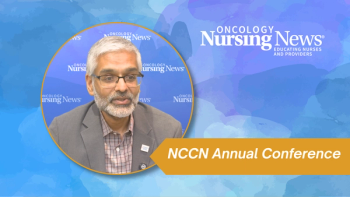
Anurag K. Agrawal, MD, of the American Cancer Society, discusses global oncology nursing challenges, including high patient ratios, hierarchy, and chemo safety.
Molly Williams, DNP, AGACNP-BC, ACHPN, discusses gaps in oncology through a palliative care lens, focusing on symptom burden, fatigue, and essential support for caregivers.
Lillian Rodich, PA-C, MPH, stressed that nurses can take advantage of accessible and local integrative medicine resources to treat patients with cancer.
Patricia Jakel, MN, RN, AOCN, shares how personal and professional experience impact her view on testing even beyond what is recommended.
Antonio Ocejo, MD, discusses supportive care implications from new data comparing ipilimumab/nivolumab in older vs younger age groups with mccRCC.
With the addition of pembrolizumab to standard androgen deprivation therapy and radiation, immune-related adverse events are more likely.
David C. Leopold, MD, explains how evidence-based integrative therapies like acupuncture and nutrition improve oncology patient outcomes and compliance.

In a clip from the latest Onc Nurse on Call episode, social worker Kelly Grosklags explains that emotions strengthen the connection between patient and clinician in oncology.
Investigator Elizabeth Lee, MD, discusses efficacy and safety data for rinatabart sesutecan in patients with endometrial cancer.
Elizabeth Lee, MD, shares that rinatabart sesutecan’s mechanism of action may allow more patients with advanced endometrial cancer to receive effective treatment.
Transportation is a key accessibility issue for patients with HR-positive metastatic breast cancer receiving CDK4/6 inhibitors at community clinics.
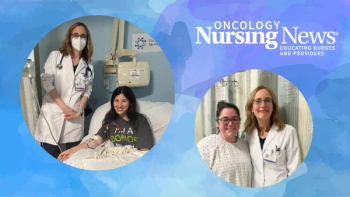
Emily Coiro, MSN, AGACNP-BC, BMTCN; and Julie Zgola, BSN, RN, who work in stem cell transplantation, were matched with patients in need of a transplant.
Kennon McCollum, DNP, explains how multiday ES-SCLC chemotherapy regimens heighten myelosuppression risk and drive dose delays.
Germline and somatic testing can inform treatment and family risk up front, but NGS is often held for recurrence, explained Courtney R. Arn, APRN-CNP.

Gabriel Schwartz, MSN, NP, explains how mechanisms of action determine the safety of systemic treatments in metastatic colorectal cancer post chemotherapy.

Panelists discuss how healthcare providers and patients should understand that talquetamab's unique side effects are temporary and resolve over time even while continuing treatment, emphasizing the drug's excellent efficacy and the importance of removing stigma around its manageable toxicity profile.
Panelists discuss how effective caregivers should join support groups, maintain detailed records of symptoms and medications, attend all appointments, stay informed about myeloma research, and serve as active advocates who can communicate with healthcare teams when patients cannot.
Panelists discuss how patients beginning talquetamab should maintain a positive attitude, prepare thoroughly with educational materials, and understand that while initial side effects can be challenging, they are temporary and manageable with proper preparation and support.
Panelists discuss how patients can maintain nutrition during talquetamab treatment by focusing on texture and food presentation when taste is impaired, using high-calorie options, and remembering that taste changes and dry mouth are temporary side effects that improve over time.
Panelists discuss how specific talquetamab-related side effects like skin peeling, nail changes, and rashes can be effectively managed through targeted interventions including topical treatments, protective measures, and preventive strategies tailored to the drug's unique toxicity profile.
Panelists discuss how healthcare providers can develop comprehensive management protocols for talquetamab-related toxicities by consulting with specialists, gathering patient feedback, and creating detailed handouts that empower patients to proactively manage side effects before they begin treatment.
Panelists discuss how comprehensive patient education materials and manufacturer resources help patients prepare for and manage talquetamab side effects, with prior experience from CAR-T therapy providing valuable context for understanding potential complications like cytokine release syndrome.
Panelists discuss how healthcare providers must actively educate local oncologists, emergency departments, and community centers about bispecific antibody management as these therapies move from inpatient to outpatient settings, ensuring proper recognition and treatment of side effects like cytokine release syndrome.
Panelists discuss how successful talquetamab treatment requires coordinated care between inpatient and outpatient teams, comprehensive caregiver preparation including education materials and emergency contact information, and access to multidisciplinary healthcare providers as needed.
Panelists discuss how expectations for treatment outcomes can become more positive over time through experience with multiple therapies, staying informed about clinical trials and new treatments, and focusing on quality of life as a primary treatment goal alongside disease control.
Panelists discuss how caregivers can navigate the initial shock of a myeloma diagnosis by seeking reliable information from trusted medical websites, connecting with local support groups, and accessing resources from organizations such as the International Myeloma Foundation (IMF), Multiple Myeloma Research Foundation (MMRF), and patient advocacy groups.
Panelists discuss how Alan Plisskin's multiple myeloma diagnosis began with severe back and hip pain, progressed through life-threatening complications, including seizures and vocal cord paralysis, and revealed extensive lytic lesions throughout his body that required immediate intensive treatment.